Applied engineering
TruLexa is developed through applied AI research, software engineering, retrieval and workflow testing, and close inspection of the legal work produced.
Why TruLexa exists
TruLexa was created to give Canadian legal professionals AI engineered around jurisdiction, legal authority, matter documents, and defined legal work—not merely plausible answers from a prompt.
Our product philosophy
When an AI answer applies the wrong jurisdiction, misses controlling or contrary authority, confuses assumptions with facts, or cites material that does not support the proposition, the lawyer inherits the correction work. TruLexa is designed around those failure points.
Material legal propositions should be connected to the authority and source passages that support them.
The governing Canadian jurisdiction and legal regime shape the research, analysis, and work product.
Legal work depends on the actual facts, documents, procedural posture, and requested deliverable.
Lawyers and notaries can trace, challenge, refine, and approve the final work for the matter.
Canadian by design
Canadian law is not one uniform rulebook. TruLexa is built for common-law Canada and Québec civil law, with jurisdiction-specific workflows, Canadian legal sources, bilingual work, and Canadian privacy controls.
Coverage accounts for Canada’s 13 provincial and territorial jurisdictions plus federal law—14 Canadian jurisdictions in total—and other bodies exercising applicable legal or regulatory authority. Workflow materials include source and citation checks, task-specific controls, and professional review checkpoints.
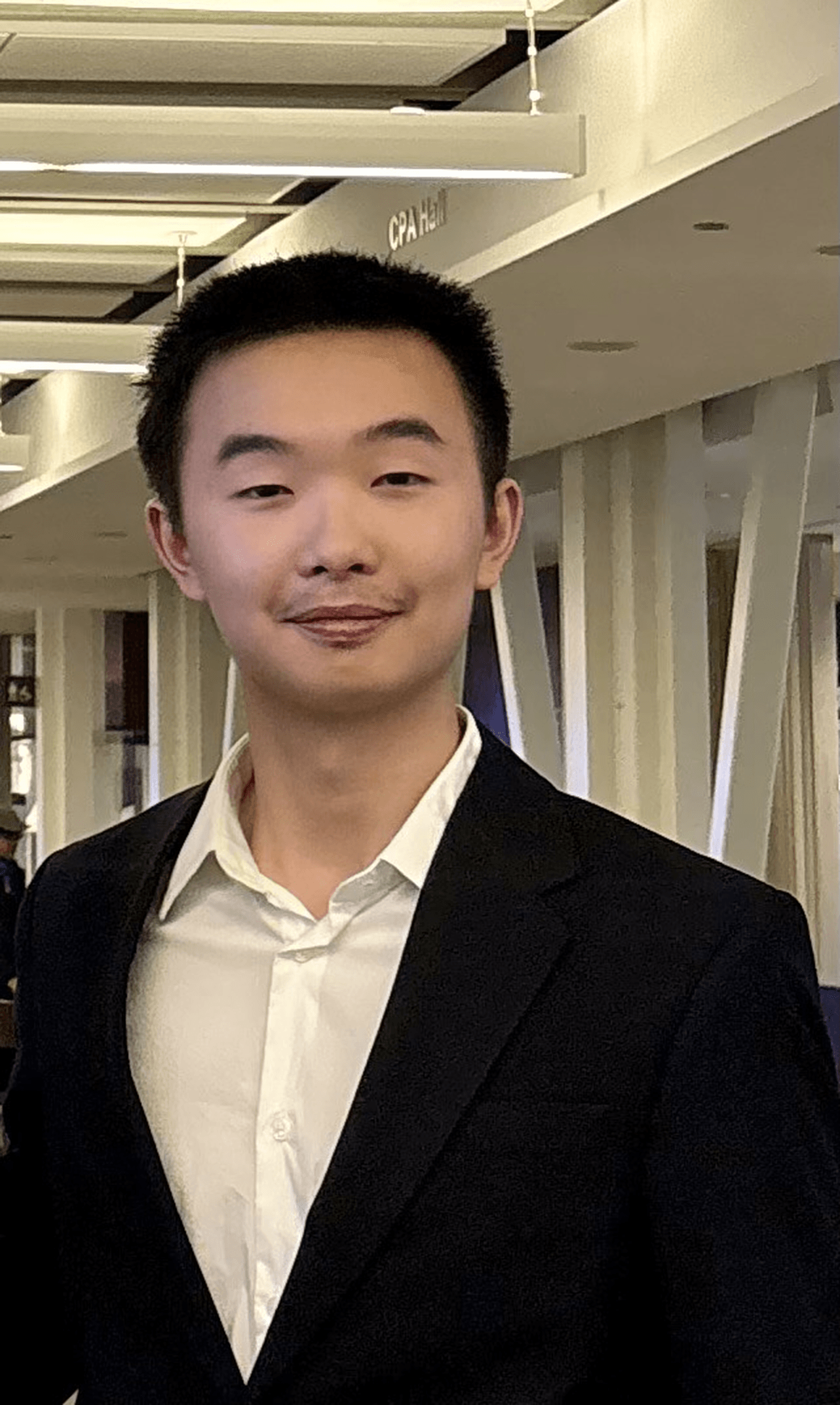
Fred Zhang
Founder & CEO · Software Engineer · AI Researcher
The people behind the product
Aistrova Technologies Inc. was founded in Canada by Fred Zhang, Founder and CEO. Fred is a software engineer and AI researcher who has spent the past four and a half years focused on AI. Before founding Aistrova in 2023, he led AI engineering at Metrized Consulting, where he helped drive more than $1 million in revenue through AI-powered solutions.
Fred Zhang built TruLexa after seeing general-purpose AI create an especially costly problem in legal practice: polished answers could cite cases that do not exist, misstate a holding, attribute words to a court that it never used, or rely on an authority that does not support the proposition advanced. In TruLexa’s internal testing, case-law errors have been near zero and AI output has required less correction. That is the progress Fred is committed to carrying forward—so lawyers can put more of their time into the judgment, strategy, and advocacy their clients count on.
TruLexa is developed through applied AI research, software engineering, retrieval and workflow testing, and close inspection of the legal work produced.
A practising-lawyer advisory board—spanning firms and solo practices in Greater Vancouver and other Canadian cities—helps align workflows and work product with professional expectations.
What guides us
The product is measured by the quality, traceability, and practical usefulness of the legal work—not by how much text the AI can generate.
Fast output has little value if a lawyer must rebuild the research or correct unsupported legal claims.
Legal AI must be engineered around the sensitivity of client records, legal strategy, and professional obligations.
TruLexa supports professional judgment; it does not remove the lawyer or notary who is responsible for the final work.
Evaluate the work
Use the trial to compare the research, analysis, drafting, document work, or workflow against the standards of your practice.